
News
Is Seamless Pipe more Expensive?
Seamless pipes (smls pipe) are more expensive than welded pipes, but they are stronger. The ASME rated working pressure of seamless steel pipes is usually 20% higher than that of welded steel pipe pil...
Advantages of High Frequency Welded Pipe
High-frequency welded pipes (ERW) need to go through a series of processes from raw materials to finished products. The production process flow mainly depends on the product variety. The completion of...
Hot-dip Galvanized Steel Pipe vs Cold-dip Galvanized Steel Pipe
Hot-dip galvanized steel pipe: The hot-dip galvanized steel pipe is first pickled on the steel parts. In order to remove the iron oxide on the surface of the steel parts, after the pickling, it is pas...
Straightening Processing Technology for Thick-walled Seamless Steel Pipe
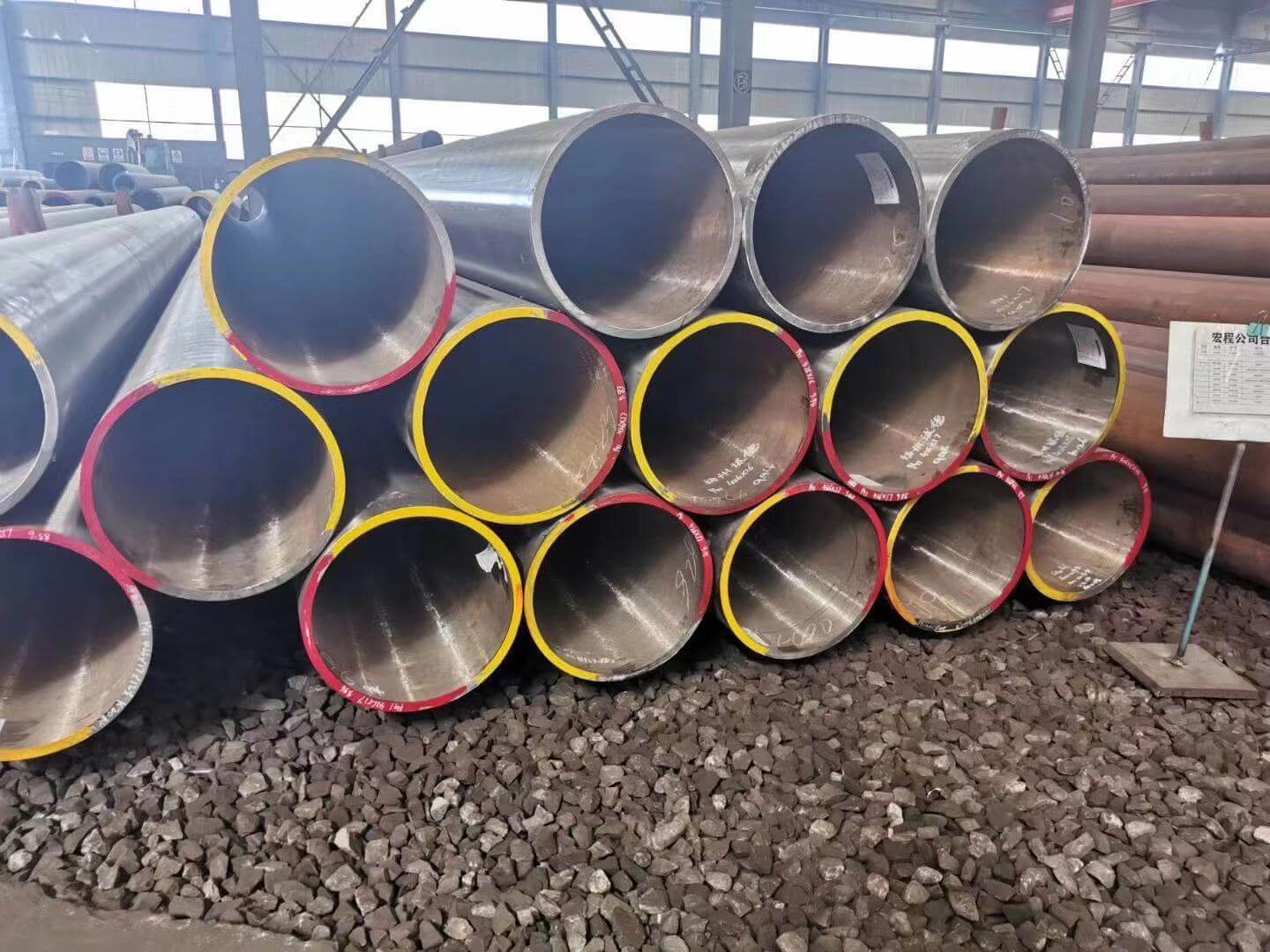
Thick-walled seamless steel pipes are widely used in vehicles, airlines, crude oil, chemical plants, engineering construction, heating furnaces, military and other units, and have a major influence in...
Grade N80 Steel Casing Pipe
API 5CT Grade N80 oil casing pipe is a high-strength and high-toughness carbon seamless steel pipe. The commonly used methods are: quenching and tempering (including direct quenching + tempering after...
Pressure Rating ANSI Class vs Nominal Pressure (PN)
“Pression Nominal” is the rating designator followed by a designation number indicating the approximate pressure rating in bars.
Piping Class Ratings based on the ASME B16.5 – Pipe Flanges and Flan...
How to determine the stainless steel plate
The surface of stainless steel plate is relatively smooth, the plasticity, toughness and mechanical strength are higher, to a certain extent, acid and alkaline gas solution or other corrosive media, i...
Reasons for corrosion of stainless steel pipes
The corrosion of stainless steel pipe mainly occurs in the whole contact with the media environment, which is characterized by uniform thinning along the section. Most of the corrosion occurs in the a...
What is quenching, tempering, normalizing and annealing
The differences of normalizing, tempering, annealing and quenching lie in different processes, different changes of material structure and different results of material properties.
What is quenchin...
The problem of heat treatment defects of medium thick steel plate and its treatment method
With the development and progress of medium thick steel plate technology, people pay more attention to the product quality, and the production enterprises pay more attention to the requirements of pro...


